
How Much Does Appliance Repair Cost in 2026?
When an appliance breaks down, the first question is almost never "what's wrong with it" — it's "how much is this going to cost me." Fair question. Appliance repair pricing varies a lot depending on what broke, which appliance it is, and where you live, and going in with realistic numbers helps you know whether a quote is fair before a technician even shows up.
Here's a breakdown of what appliance repair typically costs in 2026, by appliance type, plus what actually drives the price up or down.
Average Appliance Repair Cost in 2026 (Overview)
Across most appliance types, repair costs typically fall between $100 and $400, with the national average landing somewhere around $170–$300 depending on the issue and appliance. More complex repairs — like a refrigerator compressor or a washer's main control board — can run well beyond that, sometimes reaching $700–$1,250.
Most service calls include a diagnostic/trip fee of $70–$130, which usually covers the technician's visit and the first hour of labor. From there, hourly labor rates run $50–$150, with parts priced separately based on your appliance's brand and model.
Refrigerator Repair Cost
Typical range: $200–$400 Compressor replacement: $700–$1,250
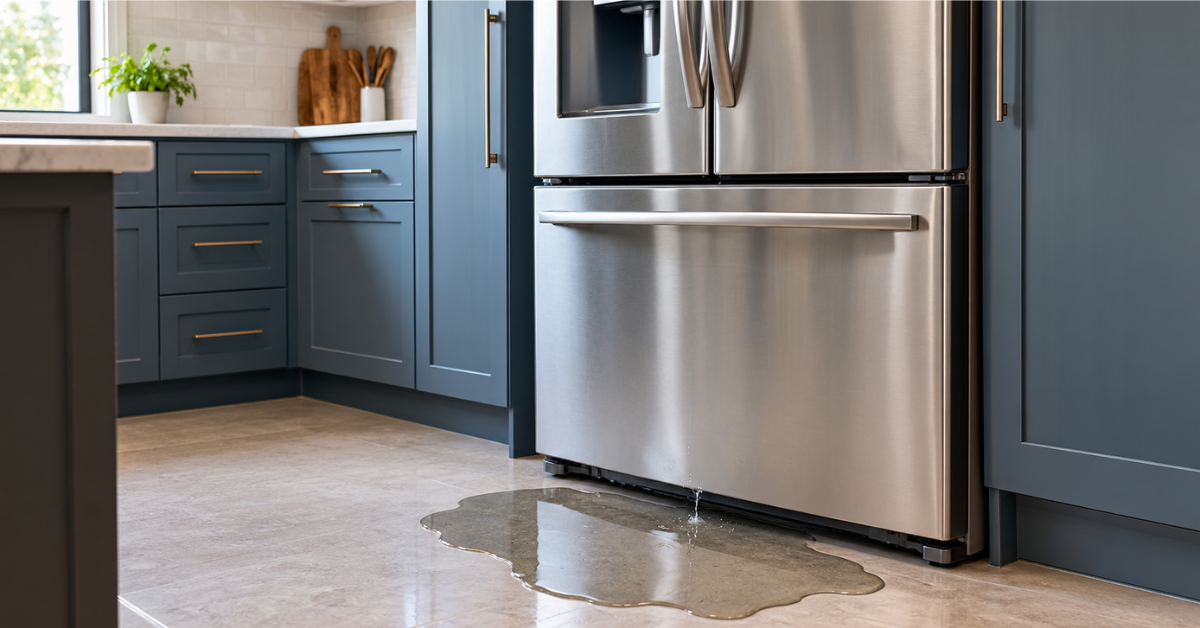
Refrigerators are usually the most expensive major appliance to repair, mainly because of the sealed refrigeration system. Common issues include:
- Not cooling properly (evaporator fan, condenser coils, thermostat)
- Water or ice maker not working
- Compressor failure (the costliest common repair)
- Door seal replacement (one of the cheaper fixes)
Premium and built-in refrigerator brands (like Sub-Zero or Viking) often run higher than mainstream brands due to specialized parts and labor.
Washing Machine Repair Cost
Typical range: $150–$350
Common washer repairs include:
- Won't spin or drain
- Excessive noise or vibration
- Drain pump failure
- Belt or lid/door switch issues
Front-load washers tend to cost slightly more to repair than top-load models due to more complex components like the door boot seal and bearing assembly.
Dryer Repair Cost
Typical range: $120–$300
Common dryer issues include:
- Not heating or heating inconsistently
- Long or multiple cycles needed to dry clothes
- Drum not turning
- Burning smell from airflow blockages
Gas dryers typically cost 10–20% more to repair than electric models, due to higher part costs and the added safety expertise required.
Dishwasher Repair Cost
Typical range: $140–$300
The most common dishwasher problems are:
- Not draining properly
- Poor cleaning performance
- Leaking door seal
- Control panel malfunctions
Many dishwasher issues stem from clogged filters or worn seals — relatively low-cost fixes compared to something like a failed drain pump or control board.
Oven & Stove Repair Cost
Typical range: $150–$400
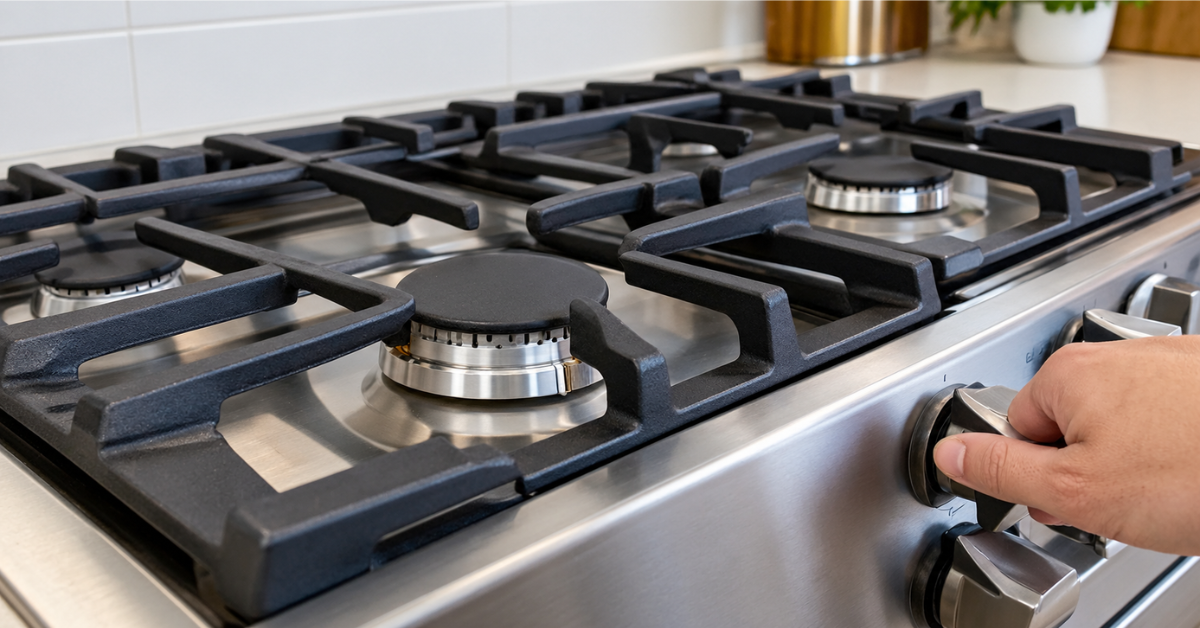
Costs vary depending on whether it's electric or gas, and whether the issue is with the heating element, igniter, control board, or thermostat. Gas ovens and stoves generally run higher due to added safety requirements during repair.
Microwave Repair Cost
Typical range: $75–$300
Microwaves are usually the cheapest major kitchen appliance to repair — unless the issue involves the magnetron or control board, which pushes costs toward the higher end of the range.
What Affects Your Final Appliance Repair Bill?
A few factors consistently move the price up or down:
- Appliance type and complexity — refrigerators and washers generally cost more than microwaves or garbage disposals
- Severity of the problem — a seal replacement is far cheaper than a compressor, motor, or control board swap
- Parts availability and brand — OEM parts for premium or less common brands can raise costs
- Labor rates by region — pricing varies by local market and cost of living
- Electric vs. gas — gas appliances typically cost 10–20% more to repair due to safety requirements
- Timing — emergency or same-day service may carry a premium, though it can prevent further damage (and a bigger bill later)
Should You Repair or Replace? The 50% Rule
A widely used rule of thumb in the industry: if the repair cost is more than 50% of the price of a new appliance, replacement is usually the better financial move.
For example, if a dishwasher would cost $600 to replace and the repair quote comes in at $350, you're right at that threshold — worth weighing the appliance's age and repair history before deciding. Appliances nearing or past their typical lifespan are also statistically more likely to need repeat repairs within a year or two, which is worth factoring into the decision alongside the repair cost itself.
Is It Worth Repairing an Appliance Under Warranty? What to Know
How to Avoid Overpaying for Appliance Repair
- Get a clear diagnostic before agreeing to repairs — a reputable technician explains what's wrong and what it costs before starting work
- Ask if the diagnostic fee applies toward the repair — many companies waive or credit it if you move forward
- Confirm whether OEM parts are being used — non-OEM parts are sometimes cheaper upfront but can lead to repeat failures
- Check your warranty status first — if the appliance is still under warranty, the repair may cost significantly less (or nothing) if done through a factory-authorized technician
Get an Accurate Quote for Your Appliance Repair
Ballpark numbers are useful for budgeting, but the only way to know your actual cost is a proper diagnostic on your specific appliance and issue. At Authorized Appliance, we connect you with factory-authorized technicians for major brands — including Whirlpool, Samsung, LG, Maytag, Kenmore, Sub-Zero, and Viking — so you get an accurate, upfront quote and a repair done with the right parts the first time.
Call (833) 220-1666 or contact us online to get connected with a technician near you and find out exactly what your repair will cost.
Frequently Asked Questions
Q: What is the average cost of appliance repair in 2026?
A: Most appliance repairs range from $100 to $400, with the national average around $170–$300, depending on the appliance and the issue.
Q: What's the most expensive appliance to repair?
A: Refrigerators are typically the most expensive to repair, especially when the compressor needs replacing, which can range from $700 to $1,250.
Q: Is it worth repairing an old appliance?
A: It depends on the repair cost relative to replacement cost. If the repair exceeds about 50% of the price of a new unit, replacement is usually the better financial choice — especially for older appliances with a history of repeat issues.
Q: Does homeowners insurance cover appliance repair?
A: Typically not for normal wear and tear. Some policies may cover appliance damage caused by a covered event, like a power surge, but standard breakdowns usually aren't included.
Q: Why do gas appliances cost more to repair than electric ones?
A: Gas appliances generally cost 10–20% more to repair due to higher part costs, added safety requirements, and the specialized expertise needed to work on gas components.
You might also like
Educational Center