
Scotsman Ice Machine Leaking Water: What to Check
It's mid-service on a Friday night. A server mentions that the floor near the ice machine is wet. You look down, and there's a puddle creeping toward the walk-in. Nobody wants to stop the ice, and nobody wants a slip-and-fall.
A Scotsman ice machine leaking water is a common problem in restaurants, bars, hotels, and offices. Most leaks come from a short list of causes: a blocked drain, a misplaced water curtain, mineral scale, or a machine that has shifted out of level. Many are simple to spot once you know where to look.
This guide shows you how to find the source of the water, what you can safely check, and when to bring in a pro.
Sub-Zero Refrigerator Leaking Water: What to Check
Step Zero: Make It Safe
Water and electricity are a bad mix. Before you do anything else:
- Warn people and block off the wet area.
- Turn off the machine at its switch or the breaker.
- Shut off the water supply to the machine, if you can reach the valve.
- Mop up the floor. A wet floor in a commercial kitchen is a slip hazard.
- Don't open electrical panels or reach into wiring.
Then handle the ice. Water on the floor near an open bin can contaminate it. See the food safety section below.
Is It a Leak, or Just Melting?
Not every puddle is a true leak. A quick check can save you a service call.
It's probably melting or condensation if:
- The water is small and shows up near the bin or front
- It appears on hot, humid days
- The bin door was left open, or ice is stacked too high
- The machine is in a warm room or near a stove or dishwasher
It's probably a real leak if:
- Water keeps coming even after the bin is closed
- The puddle grows while the machine runs
- You see dripping from a hose, a fitting, or the base
- The water appears even when the machine is off
If it's a true leak, find which of the three zones it comes from.
Zone 1: Water Spilling From Inside the Machine
This is water leaving the ice-making area, often out the front.
The Water Curtain Is Out of Place
What it is: On many cube machines, a plastic curtain hangs in front of the freezing plate. It keeps water from splashing into the bin and tells the machine when ice has dropped.
Signs of a problem:
- Water splashing out the front or into the bin
- A curtain that's cracked, warped, or hanging crooked
- A curtain that has popped off its pins
What to check: With the machine off, look at whether the curtain is seated and hangs straight. If it's damaged, it needs replacing. Follow the manufacturer's instructions for removing it.
Ice Maker Not Making Ice: Common Causes and Fixes
Mineral Scale Buildup
What it is: Minerals in your water leave a white or chalky crust on the freezing surface and water parts. Over time, the crust makes water flow unevenly, and water spills where it shouldn't.
Signs of a problem:
- White or cloudy crust inside the machine
- Misshapen or thin ice
- Ice that sticks and freezes unevenly
- It's been a long time since the last cleaning
What to do: Scale is cleaned with a descaler made for ice machines, used as directed. Using the wrong chemical can damage parts, so follow your manual.
A Blocked or Misaligned Water Distribution Tube
What it is: The tube that sprays water across the freezing plate. If it clogs with scale or comes loose, water goes in the wrong direction.
What to do: This usually needs a careful clean or replacement. Leave it to a technician if you're unsure.
A Water Reservoir That Overflows
What it is: A small tank holds water that gets pumped over the freezing plate. If the float or the water level control fails, the tank can overfill and spill.
Signs of a problem:
- Water running out the bottom, even when the machine isn't making ice
- Constant refilling sounds
- A float that sticks or looks damaged
What to do: A technician should test the float and the inlet valve.
Zone 2: Water Under the Machine (The Drain Side)
Many leaks come from the drain. Machines send used water, called melt water or purge water, out through a drain line.
A Clogged or Kinked Drain Line
What it is: Slime, scale, and debris can block the drain. Water backs up and overflows.
Signs of a problem:
- Water pooling under the machine
- Gurgling sounds
- A slow-draining floor drain nearby
- Slimy buildup at the drain opening
What to check:
- Look for kinks, crushed sections, or sagging in the drain line
- Make sure it slopes downward all the way. Many manufacturers require a steady slope, so check your install guide
- Check that the floor drain isn't blocked
The Wrong Drain Setup
What it is: Installation rules matter. Many ice machine drains need an air gap, and many guides call for the machine drain and bin drain to be kept separate. Local plumbing code also applies.
Signs of a problem:
- A leak that started after a move or install
- Drain lines that were joined together
- No air gap at the drain
What to do: Don't change plumbing yourself. Ask a qualified pro to check the setup.
A Leaking Inlet Valve or Water Line
What it is: The inlet valve controls water entering the machine. A worn valve can drip, or it can stay partly open, which causes overflow. Hoses and fittings can also loosen or crack.
Signs of a problem:
- Water at the back or the connection points
- Dripping while the machine is off
- A hissing or constant trickle sound
What to check: Look at the water line, fittings, and shutoff valve with the machine off. Tighten loose fittings by hand only. If a hose is cracked, it needs replacing.
Water Filter or Housing Leaks
What it is: Many machines have a filter system on the water line. A loose cartridge, a cracked housing, or a worn O-ring can leak.
What to do: Turn off the water, reseat the cartridge, and check the O-ring. If the housing is cracked, replace it. Filters should be changed on schedule.
Zone 3: Water Around the Bin
Melting Ice and a Blocked Bin Drain
What it is: Ice in the bin melts a little. The bin has its own drain to carry that water away. If it clogs, water backs up and spills out.
Signs of a problem:
- Water coming from the bottom of the bin
- Water standing inside the bin
- Slimy or smelly bin
What to do: Clear the bin drain, and clean the bin. Make sure the drain slopes properly.
A Bin Door That Doesn't Seal
What it is: If the door or gasket is worn, warm air gets in and ice melts faster. Condensation can drip out.
What to check:
- Torn or flattened gaskets
- A door that doesn't close flush
- Frost or moisture around the edges
Condensation From Heat and Humidity
What it is: In hot, humid spaces, moisture condenses on cold surfaces and drips.
What to check:
- Is the room too warm, or the machine near a heat source?
- Is airflow around the machine blocked?
- Are the vents and condenser clear? Dirty condensers make the machine work harder and run warmer
Is the Machine Level?
A tilted ice machine pushes water toward one side, where it can spill out. Check the level inside the machine and on top, and make sure all feet or legs are firm. Machines can shift after cleaning, moves, or floor work.
Water-Cooled Models
Some machines use water to cool the condenser. They have an extra valve called a water regulating valve. If it leaks or sticks open, you can get a lot of water down the drain or on the floor. This is a technician's job.
Food Safety: What to Do With the Ice
Ice is food. If water leaks near the bin, or a machine has been running with a fault, you need to be careful.
- Throw out the ice if floor water, cleaning chemicals, or debris may have touched it
- Don't use the ice until you've fixed the leak and cleaned the bin
- Sanitize the bin and scoop following the manufacturer's directions and local health rules
- Keep scoops out of the bin, and store them in a clean holder
For commercial kitchens, check your local health department rules.
Quick Checklist Before You Call
- Machine and water are off, and the area is safe
- Water curtain is in place and undamaged
- Machine is level
- Drain line is clear, sloped, and not kinked
- Floor drain isn't blocked
- Bin drain is clear, and bin door closes tightly
- Filter housing and hoses look dry and tight
- No obvious scale buildup
- You know the last time the machine was cleaned
What to Tell the Technician
A good description saves time. Have these ready:
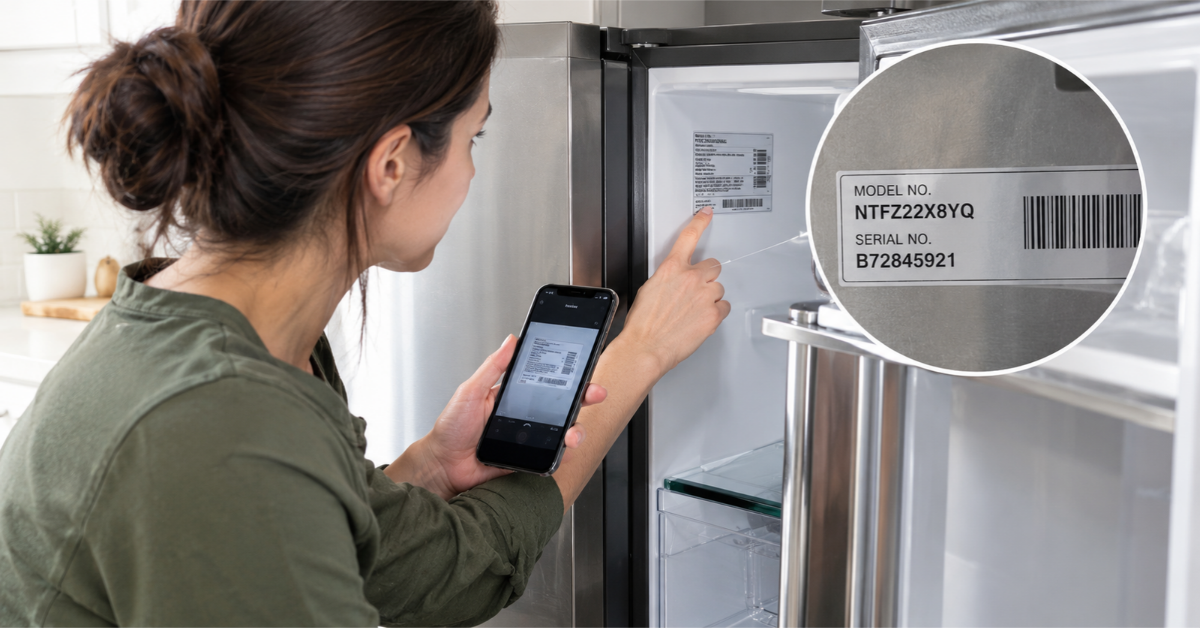
- Brand, model, and serial number. See how to find your model and serial number
- When the leak started, and whether it's constant or only while making ice
- Where the water appears
- Photos or a short video
- The last cleaning date
- Whether the machine is air-cooled or water-cooled
- Any recent moves, repairs, or plumbing work nearby
Getting a Reliable Diagnosis
Ice machines are tied to your water, drain, and cooling systems. A leak can come from any of them, and a wrong guess can cost you downtime. If your checklist hasn't found the cause, bring in a technician who handles commercial ice equipment.
Frequently Asked Questions
Q: Why is my Scotsman ice machine leaking water?
A: Common causes are a clogged or kinked drain, a misplaced or damaged water curtain, mineral scale, a worn inlet valve or hose, or a machine that isn't level.
Q: Where does water leak from on an ice machine?
A: It can come from the water curtain area, the drain line, the inlet valve, the filter housing, the bin door, or the bin drain. Finding where the water appears helps narrow it down.
Q: Can I keep using an ice machine that's leaking?
A: It's best to turn it off. Water on the floor is a safety risk, and a fault can contaminate the ice.
Q: How do scale and mineral buildup cause leaks?
A: Scale makes water flow unevenly across the freezing surface, so water can spill out instead of freezing into ice.
Q: Is it normal for an ice machine to have some water in the bin?
A: A little melt is normal. The bin drain carries it away. Standing water usually means a clogged bin drain.
Q: How often should an ice machine be cleaned?
A: Often at least twice a year, and sometimes more, depending on the water and the use. Follow your manual.
Q: Should I throw out the ice after a leak?
A: If floor water, cleaning chemicals, or debris may have touched it, yes. Clean and sanitize the bin before restarting.
Q: Is it worth repairing a leaking commercial ice machine?
A: Often, yes. Many leaks come from drain, hose, or valve problems. A technician can give you an estimate.
A Final Note
A leaking ice machine looks scary, but the cause is often simple. Shut it down, find where the water shows up, and work through the three zones. The drain, the water curtain, and scale cover many cases.
If the water keeps coming, or you can't find the source, get a proper diagnosis. Guessing can cost you downtime, and the wrong fix can cost you more.
Addressing the leak early can help prevent water damage, protect your equipment, and keep your Scotsman ice machine running reliably.
You might also like
Educational Center